 wheel
Wheel to Pick Teams or Names: Draws, Games and Classes
Also available in: Español
On this page
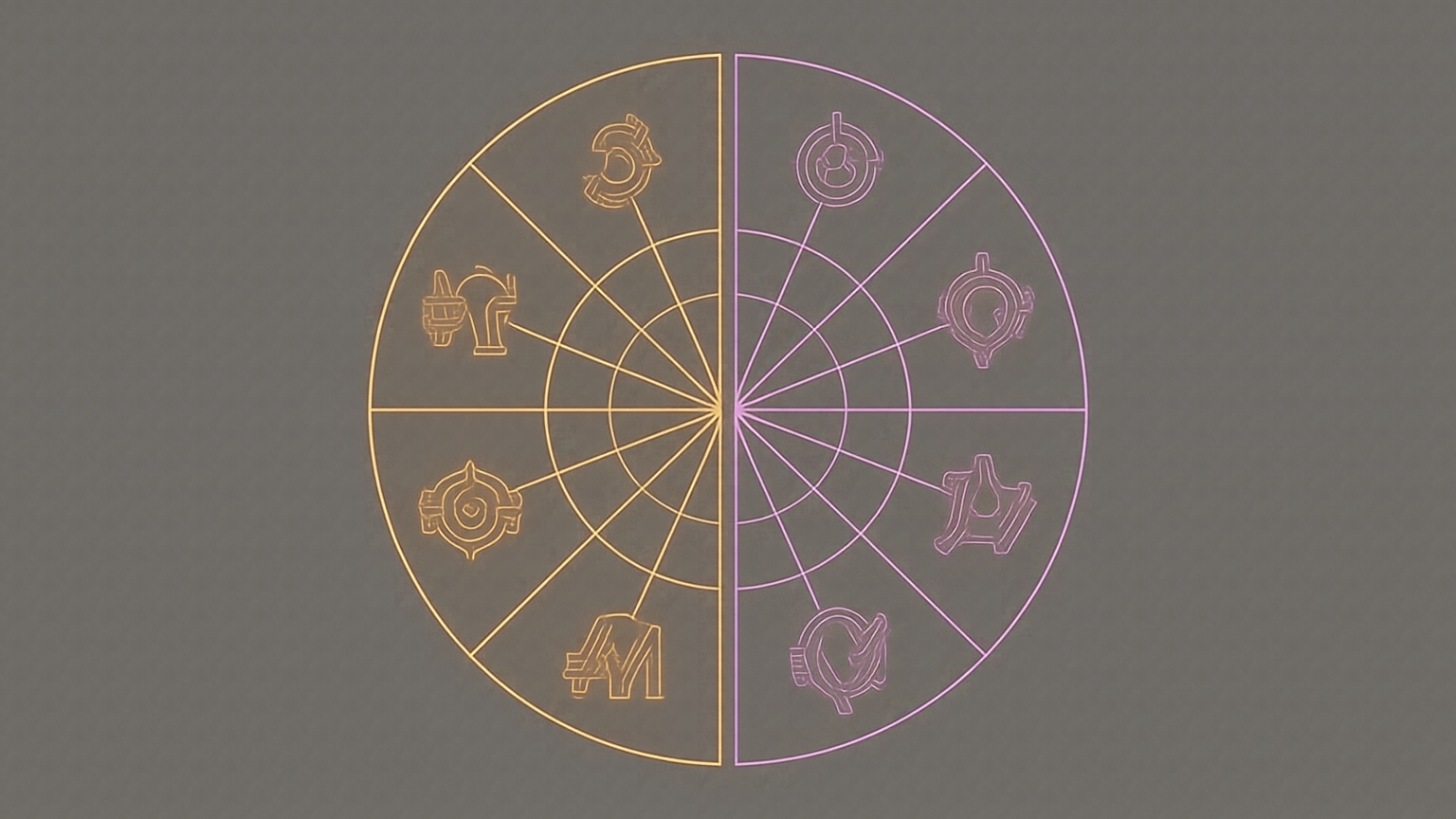
Choosing teams always ends the same way: two kids argue over who’s the best player, someone is left until last, and the teacher ends up deciding. A wheel fixes it in one spin: names go in, the wheel spins, and the result is accepted by everyone because nobody chose it.
A wheel to pick teams or names works because it removes the one thing that turns a simple draw into a conflict: human bias. No matter how careful you are, picking by hand always looks like picking with a favorite. Randomness is the only referee nobody argues with — and when the spin is visible, the result stops being negotiable.
Why a wheel to pick teams or names beats any other method
Coins, hats, counting “one, two, one, two” — every classic method has a flaw a loser can attack. The wheel closes those gaps:
- It is visible: everyone watches the same spin, so there is no sealed envelope or hidden hand to suspect.
- It is verifiable: a screenshot of the result settles the argument in seconds.
- It is fast: a draw that would take five minutes of negotiation takes one spin.
- It is fun: the pause before the wheel stops does more for group morale than any explanation of how fair the process was.
That last point matters more than it sounds. When people enjoy the moment of deciding, they stop fighting the decision itself. A groan at the result is normal; an argument about the process is what you are actually eliminating.
Where it shines
- Forming teams: for sports, games or group projects. Spin once per team captain or assign everyone by rotation.
- Picking a speaker or leader: who presents the project, who leads the group this week, who reads first. No favoritism, no awkward silence.
- Naming winners: raffles in class, event prizes, “person of the week”. Visual, fast and verifiable.
- Choosing names: for a pet, a baby, a product or a group chat name. Everyone suggests, the wheel decides.
- Ordering participants: who starts the tournament, who presents first, who goes in the rotation.
The pattern behind all five uses is the same: whenever a group suspects the person in charge of having favorites, handing the decision to a machine ends the suspicion instantly. Teachers, coaches, club organizers and even parents at home all run into this at some point.
How to set it up
- Clean list, fair wheel: one entry per person. Duplicates break the fairness.
- Names or numbers: with fewer than 20 people, names; with more, numbers are clearer on the wheel.
- Define the rule before spinning: “first spin counts” and “each name can win once” avoid re-spin fights.
- Show the spin: on a shared screen or in the group chat, the visible spin is what makes the result credible.
- Record it: a screenshot of the result is enough proof for most cases.
Setup takes two minutes: paste the names, check the list twice, agree on the rule out loud, and spin. The pre-agreement is the step most people skip, and it is the one that saves you when someone loses and looks for a way to object.
Examples that work
- Gym class: spin to form two teams by alternating names into team A and team B. Nobody can say the teams are unbalanced on purpose.
- Group projects: the wheel assigns the topic to each group or the members to each project. Transparent and fast.
- Family pet name: everyone suggests three names, all go in the wheel, and the winner gets a story to tell.
- Game night: the wheel decides the order of players and who starts. No “I called it first”.
- Office lottery: who gets the parking spot, who takes the extra day off, who organizes the party. The wheel is the neutral referee.
These examples share a pattern: the stakes are low, but the feelings are real. Nobody loses money when the wheel picks the wrong teammate — they lose the sense of being treated fairly. That is exactly the injury a random draw prevents, and it is why the same spin works in a classroom, a boardroom and a living room.
More scenarios worth stealing
- Reading order: ten students, one text, zero arguments about who goes first. Spin once per name, or spin for the first reader and let them choose the direction.
- Conference breakout rooms: paste the attendee list, spin per table, and nobody feels parked in the boring room by design.
- Chore rotation at home: dishes, bin, vacuum. The wheel assigns them weekly, and the negotiation tax disappears from family life.
- Draft order for fantasy leagues and tournaments: one spin sets who picks first, and the season starts without a single “my invite arrived late” excuse.
- Online games and Discord: screen-share the spin before the match. Teams for a lobby form in seconds, and the result travels with a screenshot.
- Stream and event giveaways: entries become names on the wheel, the audience watches the spin live, and the winner is public evidence, not a private claim.
A 60-second team draw you can copy
When the group is bigger than ten and patience is shorter than the list, use this fixed routine:
- Paste every name once. No duplicates, no nicknames that duplicate a real name already on the list.
- Say the rule out loud. “One spin per slot, alternating between the two teams, no re-spins.”
- Spin for the first slot and assign that person to team A. Spin again for team B. Repeat until everyone has a side.
- Screenshot each result as it lands. Half a dozen screenshots settle any later dispute.
Alternating picks is the trick that makes the teams feel balanced even though nobody tried to balance them. Each spin is independent, so skill levels mix on their own — and because the order was random, the loudest player in the room cannot claim the process was stacked against their team.
Agree the rule before the spin, record the result after it. Those two habits do more for fairness than any feature on the wheel itself.
Once the mechanics feel boring, the room stops thinking about the process and starts enjoying the outcome. That is the moment the wheel to pick teams or names has fully done its job.
Tips for keeping the spin fair
- Emojis in the options make the wheel friendlier and faster to read.
- Weights for fairness: if someone already won last time, you can lower their weight — but say it publicly so it doesn’t look like manipulation.
- Keep it short: for big groups, use team names or numbers instead of 100 individual names.
- Combine with other wheels: one wheel to pick the team, another to pick the topic. The game keeps going.
- Write the rules down before the first spin: who is on the list, what each spin decides, whether winners stay eligible. If you run group draws often, our guide to fair wheel rules for groups walks through the edge cases — duplicates, rerolls and repeat winners.
FAQ: what people also ask about team-picking wheels
Is the wheel fair for forming teams?
Yes: without weights, every name has the same probability. If you alternate names into teams after spinning, the distribution is as random as it gets.
How do I randomly split a class into equal teams?
Spin once per slot and alternate between the two teams until everyone has a side. Each spin is independent, so skill levels mix on their own. The same routine, explained step by step for Spanish-speaking classrooms, lives in our Spanish guide to picking teams or names — the direct counterpart of this post.
Can someone win twice?
Yes, chance has no memory. If you want everyone to win once, remove the winner from the wheel after each spin.
What if the result is controversial?
Show the spin: the recorded wheel stopping on the result is the best argument. That is why recording the moment matters — a screenshot ends most disputes before they start.
Does it work for large groups?
Yes, with numbers instead of names. For a class of 30, numbers 1-30 are perfectly readable on the wheel.
Can I use weights?
Yes, but transparently: if a name has less weight because they won before, say so. Hidden weights in a draw are the fastest way to lose trust.
One spin, zero arguments
A wheel to pick teams or names does not just decide — it decides in a way nobody can blame you for. Paste the list, agree on the rule, show the spin, keep the screenshot. Do those four things and the draw settles itself.
For the broader habits — when a wheel helps, when it does not, and how to avoid spinning until you get the answer you wanted — read our tips for using a decision wheel guide.
Pick names, teams or winners in one spin: try the decision wheel and make the draw visible, fair and fun.